Water tips
Keep, Dry or Throw Out: How the Guides Sort Wet Carpet, Drywall and Insulation
Wet carpet, drywall and insulation do not all end the same way. This guide lays the federal and university advice side by side, then lists the questions worth putting to a contractor before anything is thrown out or torn open.
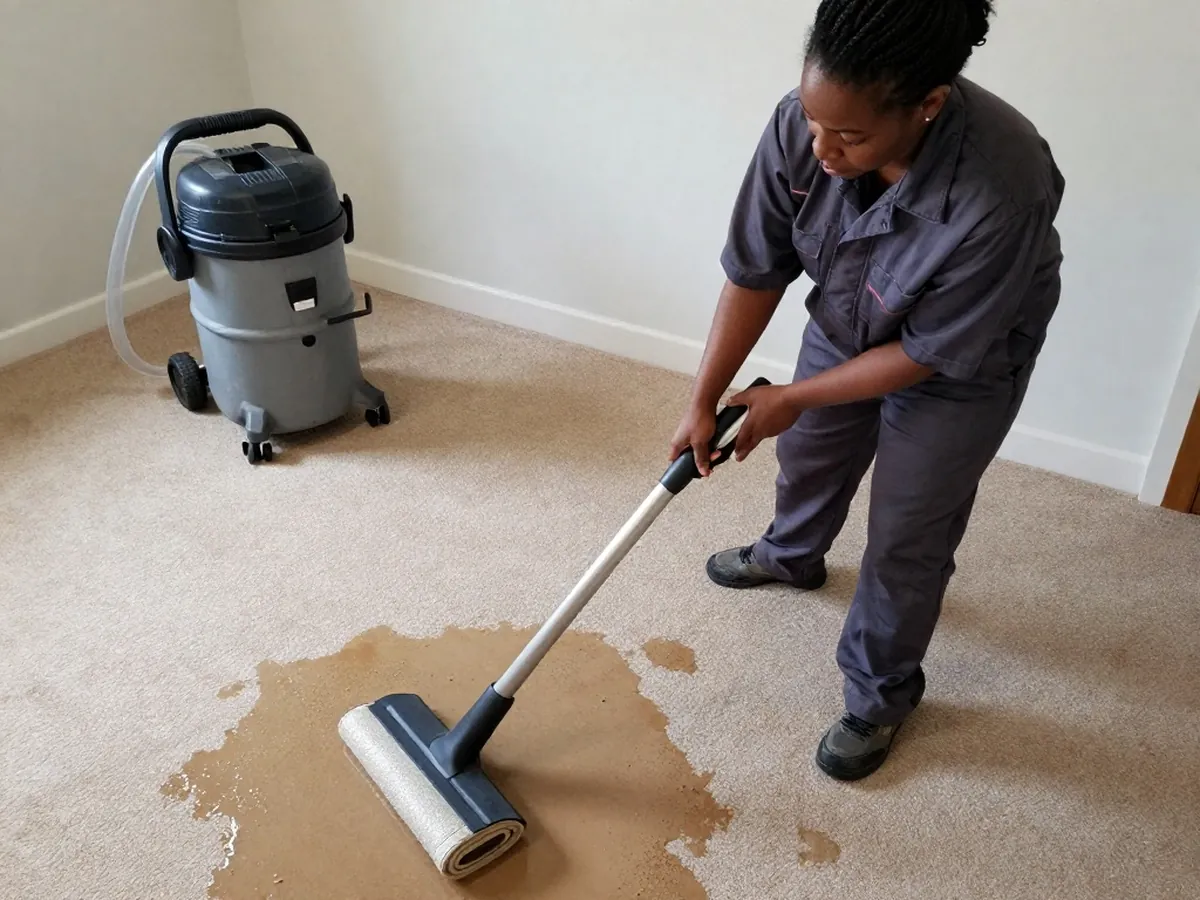
Sort the water before you sort the carpet
Every answer below depends on one question first: what kind of water was it? Water from a supply line is one thing. Water that came up a drain, or in from outdoors, is another. CDC says floodwater may contain sewage, and the EPA says sewer overflows can make people ill, from a mild stomach upset to serious disease.
North Dakota State makes the same split for walls. Wallboard soaked by clean rainwater can sometimes be dried, while wallboard soaked by dirty floodwater needs replacing. So the first thing to tell a contractor is where the water came from.
Carpet and the pad under it
FEMA and the American Red Cross write that wet wall-to-wall carpet usually does not return to its old size and has to be thrown away. They add that large rugs and rugs with foam backing go too. North Dakota State calls for carpet soaked by contaminated floodwater to be removed and discarded, unless it can be sanitized commercially for much less than the cost of replacing it.
The EPA adds a reason to look underneath. Among the places it lists where mold can hide is the underside of carpets and pads, and it says porous items such as carpet may have to go if they turn moldy.
Drywall, plaster and paneling
Mississippi State puts it in one line: sheetrock swells and eventually disintegrates in water. It advises removing drywall or paneling from the floor up to the visible high water line after a flood. North Dakota State suggests that for wallboard wet from clean water, cutting a 4- to 12-inch-high strip from the bottom and top of the wall helps air move.
Plaster is different. North Dakota State says it usually does not need replacing, though it takes a very long time to dry, and Mississippi State says it may not be ruined by water. Laminated paneling separates when soaked, while solid wood paneling can often be removed, saved and reinstalled once the cavity is dry.
The insulation nobody can see
Insulation hides inside walls and above ceilings, so it gets forgotten. North Dakota State advises removing and replacing insulation that got soaked; it can hold water for months, the guide notes. Mississippi State says most types are unusable once wet, and that foam board not touching wood framing can stay.
The University of Georgia is the most specific for local readers. Its guide says wet fibrous insulation inside walls has to be replaced, even if the wallboard on the surface looks dry.
Wood floors, subfloors and the slow-dry rule
FEMA and the Red Cross say air needs to circulate around wet floors so they can dry. North Dakota State says to dry wood floors gradually, since sudden drying could cause cracking or splitting, and that badly warped hardwood usually cannot be repaired.
Under the finish, plywood subfloors may separate into layers and buckle when soaked. North Dakota State advises talking to a contractor about replacing sections that have come apart.
Two clocks: hours to dry, weeks to finish
For water-damaged areas and items, the EPA's drying window is 24 to 48 hours, which keeps mold from taking hold. University of Georgia Extension warns that mold can start inside 24 hours of a flood. Those are the clocks for getting water out and air moving.
Walls keep a second clock. North Dakota State says it can take weeks or even months for the inside of a wall to dry, and Mississippi State puts walls at no less than 4 to 6 weeks before repainting or repairing. Both guides are written for floods, and a small leak may behave differently. The EPA also advises indoor humidity under 60 percent, ideally 30 to 50.
Wet things side by side
| Material | What the guides say | A question for the contractor |
|---|---|---|
| Carpet and pad | Wet wall-to-wall carpet usually has to be thrown away (FEMA, Red Cross). Contaminated floodwater means discard (North Dakota State). | Is the pad wet too, and how far under the carpet did it reach? |
| Drywall | Swells and eventually disintegrates (Mississippi State). Clean water may allow a cut at the bottom and top; dirty water means replace (North Dakota State). | Where does the wet part stop? |
| Plaster | Usually survives, but dries very slowly (North Dakota State, Mississippi State). | How will you tell when it is dry? |
| Insulation | Soaked insulation is removed and replaced (North Dakota State, Mississippi State). Wet fibrous insulation inside walls is replaced even if the wallboard looks dry (University of Georgia). | Is there insulation in this wall or ceiling, and is it wet? |
| Wood floor | Dry gradually, since sudden drying could crack it (North Dakota State). | Can this floor stay, and how will you dry it? |
| Subfloor | Plywood may separate and buckle from moisture (North Dakota State). | What does the moisture reading say under the finish? |
Which row of the table is your room, and who can tell you?
The table is a map, not a verdict. Your water, your materials and the size of the wet area decide what applies. If the water was clean and the damage is one patch, the checks here may be all you need. If the water was dirty, a wall is bulging, or you cannot tell what is wet, a contractor can read the moisture and explain the options.
Start with water extraction and drying for wet floors, or mold after water damage if a smell or spotting has already shown up. Matching a row to your own room is hard from a chair, so call (678) 940-8196 and describe what you see.
Sourceschecked 1 Nov 2026
- CDC, Safety Guidelines: Reentering Your Flooded Home (reviewed 24 Aug 2026)
- CDC, Safety Guidelines: Floodwater (reviewed 24 Aug 2026)
- EPA, A Brief Guide to Mold, Moisture and Your Home (updated 18 Feb 2026)
- EPA, Mold Cleanup in Your Home
- EPA, Sanitary Sewer Overflow (SSO) Frequent Questions (updated 13 Apr 2026)
- EPA, Main ways to control moisture in your home (updated 18 Feb 2026)
- University of Georgia Cooperative Extension, Removing Mold in Your Home (Circular 1047-2, 1 Mar 2023)
- University of Georgia Cooperative Extension, Mold and Moisture Home Inspection Checklist (Circular 1083, 1 Mar 2023)
- North Dakota State University, Cleaning and Repairing Flood-Damaged Walls, Ceilings and Floors (2 Mar 2022)
- Mississippi State University Extension, Disaster Relief: Home Cleanup and Renovation for Walls (P3837)
- FEMA and American Red Cross, Repairing Your Flooded Home (copy hosted by Iowa HHS)
- Georgia Office of Commissioner of Insurance and Safety Fire, Insurance Claim Tips