Skip to content
Steady ConyersWater Damage Restoration

Smells, dark spots and damp rooms after a leak, near Conyers

Mold After Water Damage in Conyers, GA

Mold after water damage in Conyers, GA often begins as a musty smell, dark spotting on a wall, or a patch of carpet that never quite dried. Do you know where the water came from, and how long the area stayed wet? Call (678) 940-8196 and say what you have noticed.

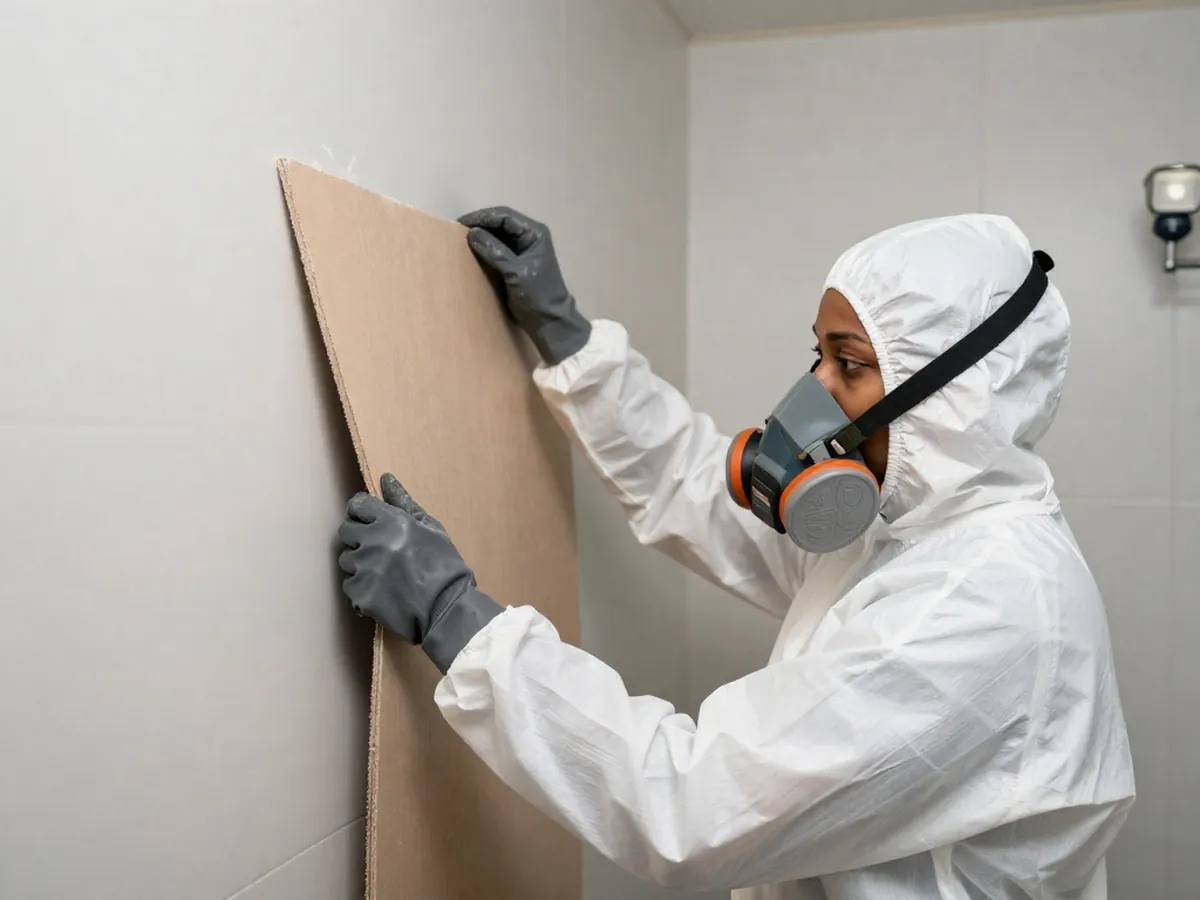
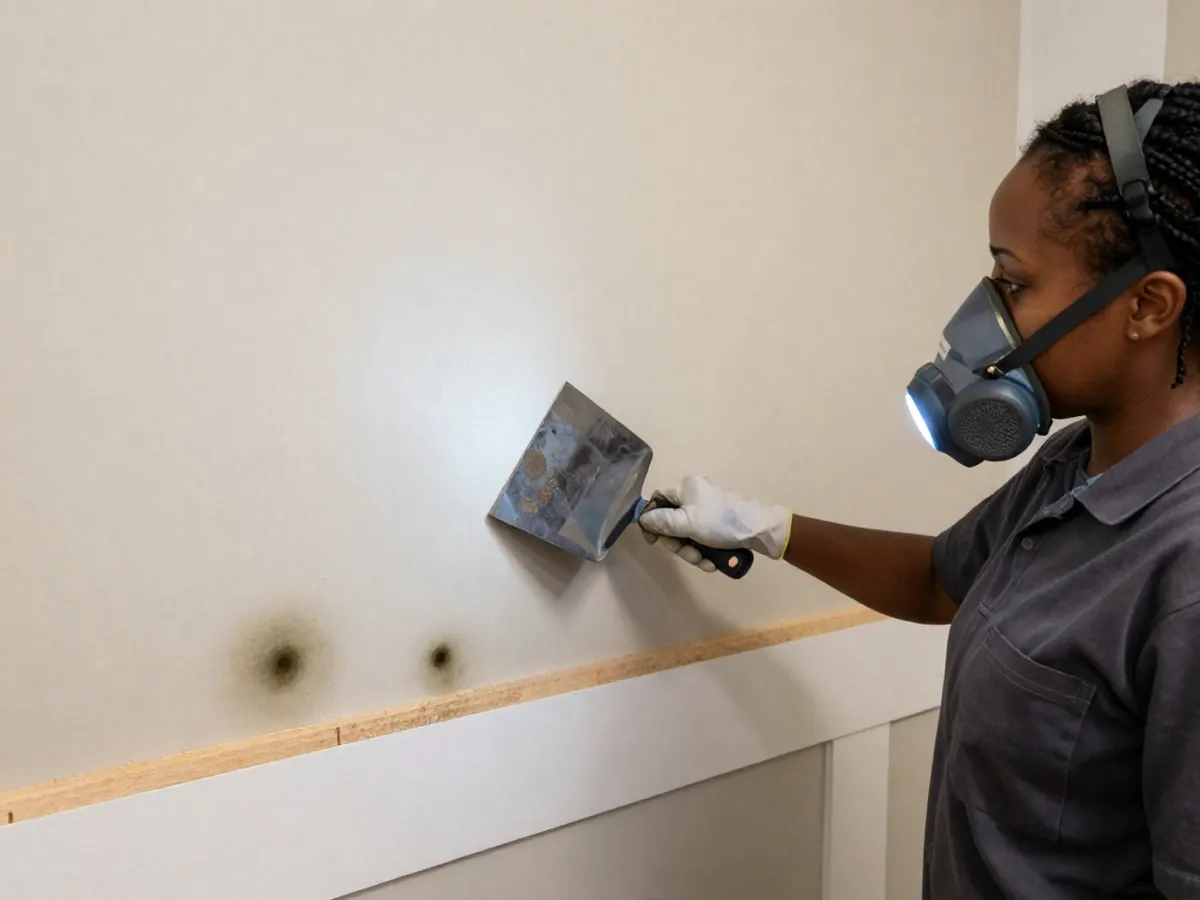
Cut-away wall with dark spotting on drywall and a stud; technician in a respirator
Fig. 1Cut-away wall with dark spotting on drywall and a stud; technician in a respirator

Work through it

Is this a job to scrub or a job to hand off?

  1. University of Georgia Extension sets three tests for handling mold yourself.

    The growth is not extensive, it was not caused by sewage or contaminated water, and nobody at home has a respiratory concern. The same guide advises against doing it yourself when mold may be in a heating or cooling system.

  2. Ask the three questions in order.

    How big is the area? What kind of water caused it? Who lives in the house? One no changes the plan.

What the contractor looks at

  1. Call (678) 940-8196, say where the water came from and how long the area was wet, and the contractor can arrange a visit.

  2. Finding the water source and confirming it has stopped, since mold follows moisture.

  3. Reading moisture in walls, ceilings and floors to separate damp areas from dry ones.

  4. Checking places mold can hide: behind drywall, under carpet and pad, above ceiling tiles.

  5. Sizing the area. The EPA points to separate guidance when growth covers more than about 10 square feet.

  6. Laying out options: drying, removal of porous materials, and questions to ask before any mold work is hired out.

Asked and answered

How urgent is a musty smell, graded 1 to 10?

Grade 8 to 10: sewage behind the damage, wet wiring, a sagging ceiling or breathing trouble. Take the safe step first, then call (678) 940-8196 about the rest. Grade 4 to 7: a room that stayed damp, or spotting you can see. Call this week. Grade 1 to 3: a faint smell after a small spill that is now dry. Ventilate, dry the area completely, and watch.
How soon can mold start to grow?

According to University of Georgia Extension, mold can begin to grow within the first day after a flood. The EPA counts 24 to 48 hours as the drying window for areas and items that got wet. And CDC's advice is to assume a flooded house has mold once it has been closed up for several days.

What happens to moldy carpet or ceiling tile?

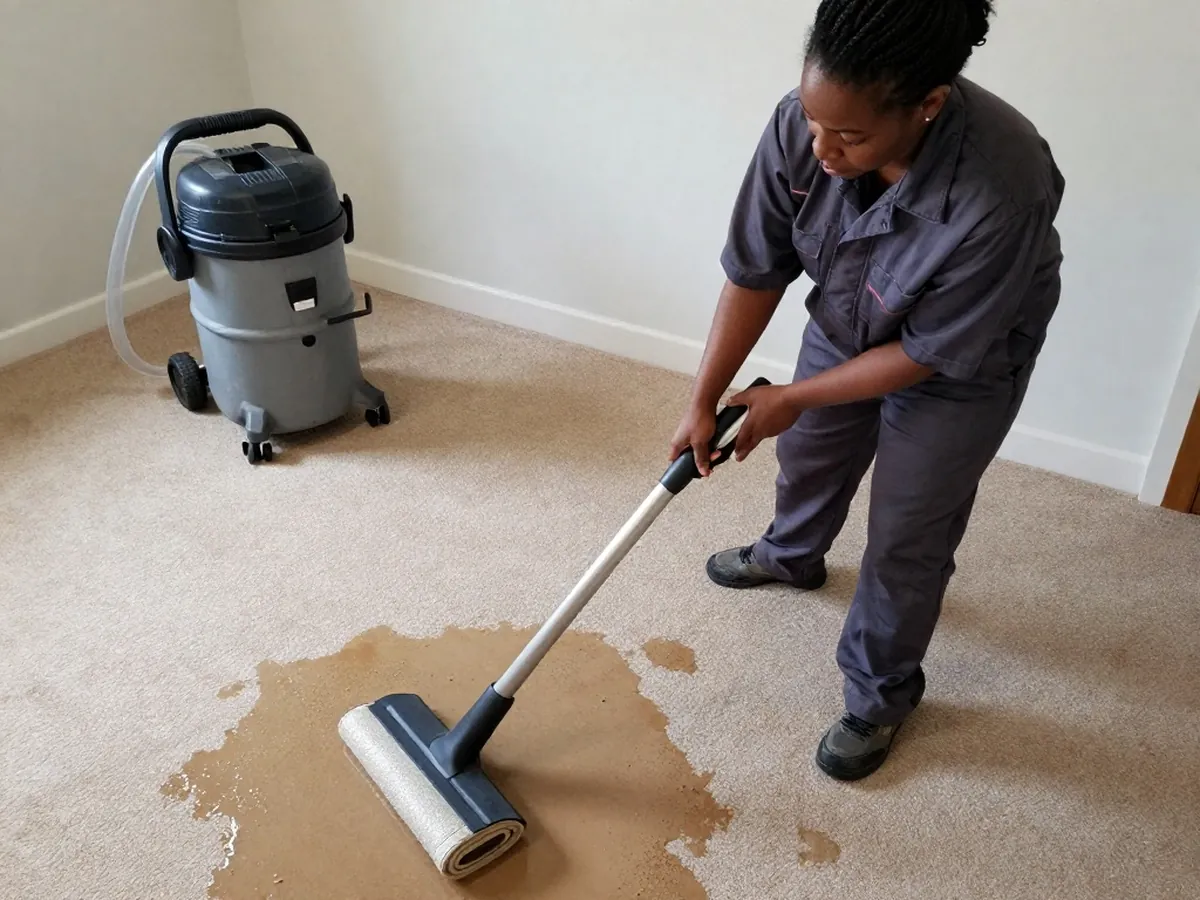
The EPA lists ceiling tiles and carpet among the porous items that tend to be headed for the dumpster after mold gets going. Among the places it names where mold can hide are the back of drywall, the underside of carpet and pad, and roof materials above ceiling tiles.

Dry it, cut it or replace it

Hard surface, soft material, structural wood: three different answers

Hard surfaces

The EPA says to scrub mold off with detergent and water and dry completely.

Soft and absorbent materials

The EPA says moldy ceiling tiles and carpet can be past saving and may need to go out with the trash. The University of Georgia says things that cannot be dried within 48 hours get discarded unless they are structural.

Insulation inside walls

The university also says wet fibrous insulation inside walls has to be replaced even if the wallboard looks dry.

Cut-away wall with dark spotting on drywall and a stud; technician in a respirator

Reading the picture

Reading the dark spotting in the picture

A section of drywall and baseboard has been cut away in the picture, and dark spotting shows on the back of the drywall and on a wood stud. The technician wears a respirator and gloves and holds a flat scraper. The front of a wall can look fine while the back is dark, which is why the EPA's list of hidden places starts with the back side of drywall.

The picture shows dark spotting. Deciding what it is, and how far it goes, is something the contractor can take on in person.

Habits that cost more

Four ways a mold problem returns

Cleaning the spot and leaving the cause.

The EPA says plumbing leaks and other water problems need repair as soon as possible, and everything wet needs drying completely.

Keeping soaked carpet or ceiling tile.

The EPA says porous materials like these tend to be headed for the dumpster after mold gets going.

Handling a big or sewage-related area alone.

The EPA points to separate guidance for growth over about 10 square feet, and says to call someone with experience when the water was contaminated.

Working on mold in the heating or cooling system.

The University of Georgia advises against doing that yourself.

What you may notice

  • A musty smell that returns after the room has been aired out
  • Dark or fuzzy spotting on a wall, ceiling or baseboard
  • Carpet or ceiling tile that stayed damp after a leak
  • Peeling paint or warped trim near an old leak
  • Moisture collecting on cold window glass in the same room

Paperwork and licensing questions

Who may do mold work in Georgia?

The Georgia Secretary of State's contractor pages say nothing about mold, water damage or restoration, so the state pages do not say which license, if any, covers the work. Ask the contractor which Georgia license applies to the job, then ask the state licensing board to confirm. The steps are in contractor rules for Conyers.

Call (678) 940-8196